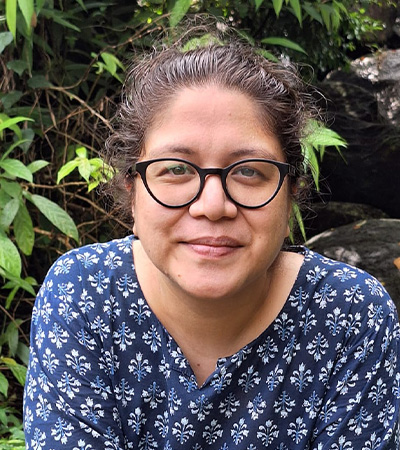
Abhilash Kumai, a Senior Program Manager from the picturesque hills of Kalimpong, is deeply passionate about education and people development. With a background in Sociology from Calcutta University, he began his journey in 2016 through the Teach For India Fellowship, which revealed the transformative power of education to him. Over the years, he has worked as a teacher, coach, consultant, and trainer, and has held senior management roles that strengthened his belief in empowering people and teams.
Abhilash’s work has taken him across Northeast India, where he has collaborated with schools, teachers, and education leaders. Currently, he leads the Trailblazer Fellowship at the Eastern Himalayan Foundation, nurturing resilient young changemakers. Beyond work, he creates social media content and conducts street interviews—efforts that keep him connected to people’s stories and perspectives.

Abriti Moktan is a PhD candidate in the Department of Ecosystem Science and Management at Pennsylvania State University. She is part of the WEF nexus cohort and the Environmental Policy Goddard Chair Group. Her research interests lie in environment and development, water security, biocultural conservation, and traditional ecological knowledge. For her PhD thesis, she is studying community-conserved sacred groves, their relation to water security, and the adaptive capacities of local communities in the Eastern Himalaya’s complex social-ecological systems.
Prior to this, she worked as a research associate at the Ashoka Trust for Research in Ecology and the Environment (ATREE), Gangtok. She completed her master’s degree in Environment and Development from the School of Human Ecology at Dr. B.R. Ambedkar University, Delhi. She is passionate about research on mountain ecosystems and the local communities inhabiting these regions.
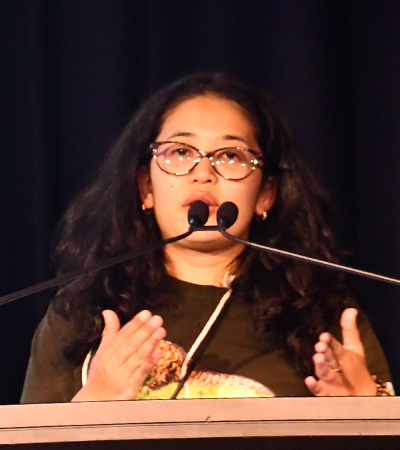
Anisa Bhutia is an Assistant Professor at Indian Institute of Management, Kozhikode (IIM-K). She was previously a Post-Doctoral Fellow at Aarhus University (Anthropology) and has received her PhD from Tata Institute of Social Sciences (Mumbai). She is an anthropologist from Kalimpong, and her research elaborates on trade networks, markets, infrastructure (roads, railways etc.), colonialism, frontiers and the history of people and places. She is the recipient of prestigious fellowships such as Deutscher Akademischer Austauschdienst (DAAD), Inlaks, Fulbright, and Rajeev Gandhi National Fellowships for her Master's and Doctoral studies.
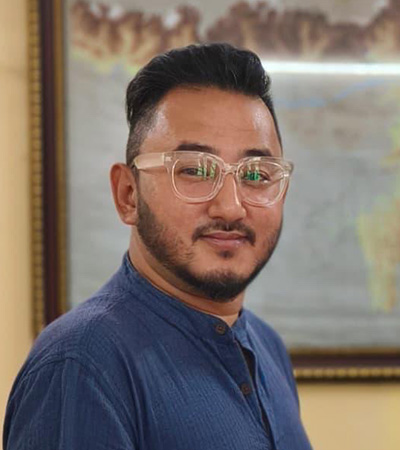
Avantika Thapa is a conservationist passionate about building pathways for people and wildlife to thrive together. At the Ashoka Trust for Research in Ecology and the Environment (ATREE), her work explores how Himalayan communities navigate life alongside wildlife and how this lifestyle can be sustained in the face of rapidly changing value systems and environments. She has worked with the Zoological Survey of India (ZSI), contributing to biodiversity research and ecological documentation in the Himalayas.
Her fieldwork has often taken her to high altitudes, where she has lived with resident communities to understand the challenges of sustaining livelihoods in the face of climate change and interactions with wildlife species. For her doctoral studies, she studied the ecology of Himalayan pheasants, and as a Coexistence Fellow, Avantika focused on equally emphasising the coexistence in human–wildlife conflict — highlighting the role of equity, justice, tolerance, cultural values, and shared stewardship in conservation. Her work brings together science, community voices, and policy to reimagine conservation in ways that are inclusive and resilient. Beyond research, she is deeply committed to amplifying mountain perspectives and ensuring that conservation conversations reflect the realities of people living closest to wildlife.

Aparajita Rai is the first female Indian Police Service officer from Sikkim and a senior public servant currently serving as Special Superintendent of the Intelligence Branch, West Bengal Police. An alumnus of Tashi Namgyal Academy, Gangtok, and a postgraduate in law from Calcutta University, she secured an All India Rank of 358 in the Civil Services Examination and joined the IPS in 2013. Earlier with a rank of 769 she served with the Indian Defence Accounts service from 2011-2013.
Beyond her professional commitments, Aparajita is a keen runner and a hands-on mother to her one-and-a half year old daughter, with whom she resides in Siliguri.
Binayak Sundas is the Director of the Centre for Himalayan Studies, University of North Bengal. He is also the Founding Director of the Chaya Foundation, an initiative dedicated to education, environment, and community development in the hills. He holds a BA in History (Hons) from St. Stephen’s College, Delhi University, and an MA, MPhil., and PhD from the Centre for Historical Studies, Jawaharlal Nehru University. His research explores the history, environment, and cultural traditions of the Eastern Himalayas. Through initiatives like the “100 Libraries Campaign,” he promotes grassroots learning and cultural exchange.
Dr. Sundas is also the creator and host of the podcast Himalayan Stories, which documents lived experiences and oral histories from the region. His writings have appeared in My Republica, The Quint, and The Statesman. Combining scholarship, activism, and storytelling, he works to foster a deeper, more connected understanding of the Himalayas and its people.

Dawa Sangpo Bhutia is from Chongri, a peaceful village nestled in the mountains of West Sikkim. Growing up in a traditional yak herding family, his early life was deeply connected to the natural rhythms of the mountains. Yaks were not just animals to them; they were family. Living close to nature taught him the importance of respecting and protecting our land, forests, rivers, and culture.
As a photographer and filmmaker, Dawa captures the beauty and spirit of his homeland, sharing stories that inspire others to appreciate and protect this fragile environment. He also runs a travel company focused on trekking, ecotourism, and adventure tourism, promoting responsible and sustainable travel that supports local communities.
Dawa leads the Yambong Ecotourism Committee, a team of passionate young people from his village who work to promote environmental conservation and responsible tourism. He is involved with the Royal Enfield Responsible Tourism project, WWF Sikkim’s Snow Leopard Conservation, and Sanctuary Asia’s Mud on Boots project. Through these efforts, he strives to protect our traditions, empower local communities, and conserve the unique heritage of Sikkim for future generations
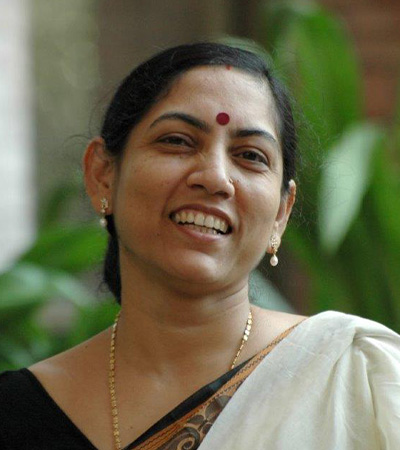
Debolina Kundu, Director of National Institute of Urban Affairs (NIUA), has over 30 years of professional experience in the field of development studies. She has worked as a consultant with the ADB, LSE, IIDS, UNDP, UNFPA, UNESCAP, KfW, GIZ, Urban Institute (Washington), and East-West Centre (Honolulu) on issues of urbanization, migration, urban development policies, municipal finance, social protection, governance, and exclusion. At NIUA, she is leading several projects supported by UNICEF, the World Bank, UKRI, KFW and the Government of India.
She is a member of various committees formed by the central and state governments, including the Fifth Delhi Finance Commission. She has several articles published in books and journals. She recently co-edited a book on New Drivers of Division: Urbanisation and Spatial Inequality in Africa and Asia (Springer) and is currently working on a Handbook on Urbanisation in the Global South. She is Chief Editor of journals - Environment and Urbanisation, Asia (SAGE) and Urban India (NIUA). She was Co-Chair of the Task Force on LiFE, Resilience, and Values for Wellbeing under the G20 Think Tank initiative.
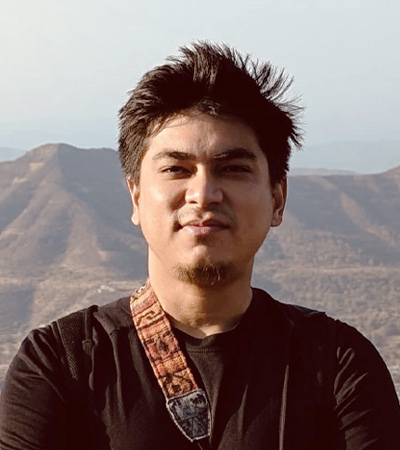
Dishant is currently a Faculty of Design at FLAME University, Pune. He is an independent filmmaker whose work explores the intersections of culture, storytelling, and place. His debut experimental short, Dante Katha, reinterprets folk narratives from the Himalayan region with the aim of preserving and retelling them for contemporary audiences. The film has been screened at several international platforms, including the Dharamshala International Film Festival, the London Himalayan Film Festival, and the Kathmandu Triennale.
Alongside his film work, Dishant has directed over fifteen music videos that document and amplify voices from the Himalayan hills. His current research and creative practice focus on documenting local + indigenous narratives across both traditional and contemporary cultures. He is particularly interested in how youth communities engage with and reshape emerging urban subcultures — reflecting broader transitions in identity, belonging, and creative expression within the region.

Jenisha Singh is an Assistant Professor of English at Sagardighi K.K.S. Mahavidyalaya, under University of Kalyani. She is also pursuing her Ph.D. in English from the School of Letters, Dr. B. R. Ambedkar University Delhi. She specializes in folklore and cultural narratives, and is pursuing an ethnographic study of the Kami cultural narratives in the Eastern Himalayas for her Doctoral research.

Lakpa Tamang is an Assistant Professor at the Department of Geography, University of Calcutta, Kolkata, India. He received his Ph.D. degrees in Geography & Applied Geography from University of North Bengal. With an expertise on applied fluvial geomorphology, he has published 1 book and more than 20 research papers in journals in various international and national journals based on his research in the Darjeeling-Sikkim Himalayan region. Currently, he is working on projects on geoconservation in Darjeeling hills, funded by ICSSR, and riverine habitat study funded by NMHS.

Mona Chettri is a researcher and co-founder of Reading Himalaya, a research and policy consultancy focussing on the eastern Himalaya. She is also Senior Research Fellow (Adjunct) School of Arts and Social Sciences, Monash University. She received her PhD from the School of Oriental and African Studies (SOAS), University of London, and has worked as a post-doc in the Netherlands, Denmark and Australia. She is the co-editor of Development Zones in Asian Borderlands (2021) and author of Constructing Democracy: Ethnicity and Democracy in the Eastern Himalaya (2017), both published by Amsterdam University Press.
She has published widely on borderlands, gender, environment, and development in various academic journals. Mona is also the Series Editor of the Eastern Himalayan Series (Rachna Books and Publication) and co-editor of Beneath Magnolia Skies: Women's Writings from the Sikkim and Darjeeling Himalaya (Zubaan Books). Her current research focuses on gender, environment, and urbanisation in the Sikkim-Darjeeling Himalaya, India.
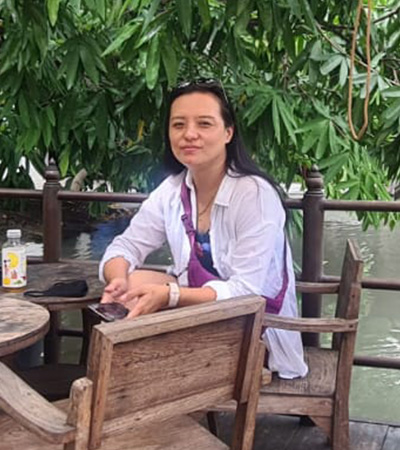
Nancy C. Lhasungpa is an Assistant Professor, in the Department of Sociology, Nar Bahadur Bhandari Government College, Gangtok. Her research centers on the broader social determinants of health and well-being, with a particular emphasis on mental health, social stigma, substance abuse and addiction, alongside her academic interests in social problems, gender, culture, and migration. Her current work explores social determinants of low fertility rates. She regularly contributes to local publications and digital platforms on contemporary social issues.
She is also actively involved as Coordinator of the Monthly Screening for Mental Health at NBBGC, an initiative under Suicide Prevention Action Network (SPAN), Dept. of Health and Family Welfare, Government of Sikkim.
Nancy holds a M.Phil and PhD from Jawaharlal Nehru University, New Delhi, and a double Master’s in Sociology and International Relations from Delhi School of Economics and University of Aberdeen, UK, respectively. She is particularly interested in interdisciplinary approaches that bridge sociological inquiry, with public policy and community development.

Nangsel Sherpa (she/her) is currently at the Centre for Writing and Pedagogy, Krea University. She has completed her M.Phil at the Department of Sociology, Delhi School of Economics, University of Delhi. Her research focused on the Tibetan community in exile in India, examining how ideas of citizenship, nationalism, and gender are being reimagined and transformed across generations.
Nangsel is also the co-founder and editor of The Pomelo: Exploring Himalayan Voices, a digital platform dedicated to documenting, archiving, and sharing narratives from across the Himalayan region, and has consistently worked toward centring underrepresented voices, particularly those of women and marginalised communities. With a strong interest in interdisciplinary and regionally grounded scholarship, her academic and creative practices often intersect, focusing on gender, migration, and minority rights.

Niranjan Kapil is an Urban Planner with over thirteen years of experience in urban development, infrastructure management, and strategic planning. He currently serves as Urban Planning Expert with Gangtok Smart City Development Limited and as Project Manager-cum-MIS Officer for the Sikkim Integrated Urban Development Project, contributing to the Smart Cities Mission and Asian Development Bank–assisted initiatives.
Niranjan has led landmark projects including Gangtok and Namchi Smart Cities, Pakyong Mountain City Strategic Plan, AMRUT 2.0, CITIIS 1.0 and 2.0, the National Urban Framework, and the Gangtok Cable Car Project.
An alumnus of the School of Planning and Architecture, Vijayawada, with a master’s in Project Operations from Amity University, he is also an Associate Member of the Institute of Town Planners, India. His work emphasizes sustainable, climate-resilient, and community-driven approaches tailored to the Himalayan region.

Nirmal Mangar is the Founder and News Editor of The Sikkim Chronicle, one of the region’s leading digital news platforms recognized for its in-depth reporting, feature writing, and community-based journalism. Nirmal has over two decades of experience in print and digital media across Sikkim and the Eastern Himalayas and has previously served as correspondent and reporter for The Telegraph and Sikkim Express. He has contributed extensively to articles on sustainable development, youth affairs, and tourism, and is also known for hosting educational and cultural events.
Nirmal is the recipient of the Sikkim State Award for Journalism (2007), the Ram Patro Memorial Award for Journalism (2007), and Journalist of the Year (2023).

Nirvan Pradhan is an educator from Darjeeling, West Bengal. He received his PhD from the Centre for Political Studies, School of Social Sciences, Jawaharlal Nehru University (JNU), New Delhi. He completed his Bachelor’s degree from the University of Delhi, and both his Master’s and M.Phil from Jawaharlal Nehru University. He was also a recipient of the DAAD Scholarship, through which he studied at the University of Würzburg, Germany.
His research explores a range of themes, including decaying capitalist spaces, transnational labour markets, political ecologies, elections, infrastructural politics, and the health and safety of migrant workers. His writings have appeared in Himalaya: The Journal of the Association for Nepal and Himalayan Studies, Sikkim Express, Studies in Indian Politics and Confluence Collective. He has also published chapters in various books. He has presented papers in various national and international conferences in Europe and North America. He is currently an Assistant Professor in the Department of Political Science at Narasinha Dutt College, University of Calcutta.
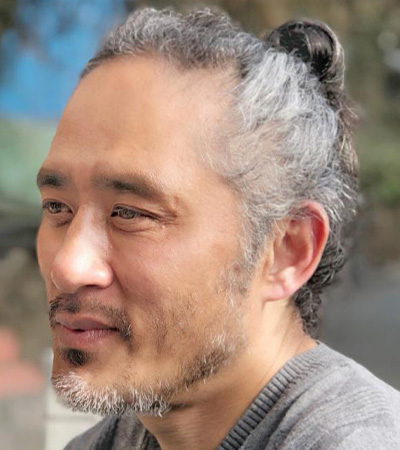
Pema Wangchuk Dorjee is a journalist with over thirty years of experience in the print media. He is currently the Consulting Editor at Summit Times. He launched Weekend Review in Sikkim in 1999 and Sikkim NOW! in 2002. He has worked for Himal and Sikkim Observer, and co-authored, Khangchendzonga: Sacred Summit (1997), and The Birds Have Lost Their Way (2018).
Pema was awarded with the Y.N. Bhandari Award for Best Journalism in 2021.

Priscilla Giri is a research administrator at DLR Prerna, leading the Tealeaf (Teachers Leading the Frontline) Mansik Swastha program in Darjeeling, India. In Tealeaf Mansik Swastha, mental health care is task-shifted to non-clinical providers such as teachers, parents and the community, in order to go beyond conventional methods of care to allow mental wellbeing at a community level.
With over eight years of experience working with schools and five years dedicated to youth mental health, she specializes in project design, implementation, and evaluation. She is directly responsible for training and supervising the conduct of mental health care in the Tealeaf program. She is also dedicated to overseeing the research component of the Tealeaf program and in incorporating the contextual understating of the existing systems in the Darjeeling Himalaya. She was also a member of the Mental Health Assessment Team, District Legal Service Authority, Darjeeling. She holds a master’s in Medical and Psychiatric Social Work and has additional training in Narrative Therapy.

Priyadarshinee Shrestha is a core member of the Zero Waste Himalaya, which works across the Himalayan region to promote sustainable waste management policies and practices. She has been leading The Himalayan Cleanup since 2018, which has grown to become one of the biggest campaigns for the mountains against plastic pollution. She has worked with WWF– India’s Khangchendzonga Landscape Programme (2007 to 2023), leading the organization’s conservation work in the Sikkim- Darjeeling landscape focusing on community based conservation for red panda and snow leopard conservation, climate action, responsible tourism practices, and environment education. She was also part of the Indo Swiss Project in Sikkim, working to strengthen local governance and decentralisation in the state (2002-2006).
Priyadarshinee is also a member of Integrated Mountain Initiative, a pan Himalayan organisation working to foreground mountain challenges and issues. Since the last few years, she has been engaged under Sikkim INSPIRES programme as part of the technical support team to the Rural Development Department leading the work of drafting economic inclusion plans for women and youth for all districts of the state.

Roshan P. Rai is a development practitioner with DLR Prerna. With special interest in participatory governance, his interventions have revolved around inclusions and equity in fair-trade movements in tea, conservation interventions, small farmer collectives, Samaj, and educational institutions.
He works with Zero Waste Himalaya, with a special interest in the intersections of plastic waste and food. Roshan is a member of the Darjeeling Himalaya Initiative and Integrated Mountain Initiative, advocating for mountain sensitive policies and sustainability.

Rinan is a Postdoctoral fellow at the Centre of Excellence for Himalayan Studies, Shiv Nadar Institution of Eminence, and an Associate at the Lakshmi Mittal and Family South Asia Institute, Harvard University. She is an interdisciplinary researcher with ten years of experience in environment, development and sustainability studies. She studies water, mountains, governance, policy, institutions and urban issues with a rights-based approach.
She is a contributing author to the Intergovernmental Panel on Climate Change (IPCC) Working Group II, Chapter 4: Water. Her works have been published in Mitigation and Adaptation Strategies for Global Change, Grassroots – Journal of Political Ecology, HIMALAYA, the Journal of the Association for Nepal and Himalayan Studies, Water Policy and Conservation and Society. She is a guest Co-Editor of a special issue in Rural Landscapes: Society, Environment, History. She has published commentaries, policy analyses, reports, and popular articles.
She was a Postdoctoral Fellow at Harvard University with the Lakshmi Mittal and Family South Asia Institute (2023–2024). She received her PhD in 2023 from Ashoka Trust for Research in Ecology and the Environment (ATREE), Bengaluru. She is an incoming Marie Skłodowska-Curie Actions Fellow at the School of Society and Environment, Queen Mary University of London.
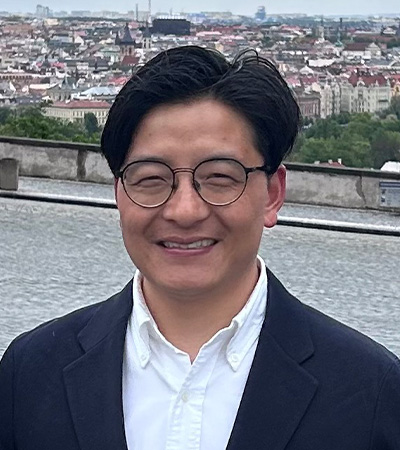
Sangay Lachenpa is a Post-Doctoral Fellow at the Centre of Excellence for Himalayan Studies, Shiv Nadar University, carrying an extensive field experience, particularly of the Sikkim Himalayas. He also serves as a Guest Faculty at the Department of International Relations, Sikkim University, where he teaches International Relations theories. He holds a PhD in Chinese Studies from the Centre for East Asian Studies, School of International Studies, Jawaharlal Nehru University, specialising in China-India borderlands, sovereignty and development. His broad area of interest includes International Relations theories, border studies, Himalayan area studies with a focus on development, sovereignty, contests and identity.

Shrawan Kumar Acharya is a Professor of Urban and Regional Planning at the Centre for the Study of Regional Development, Jawaharlal Nehru University, New Delhi. He received his degree in Urban and Regional Planning from CEPT University, Ahmedabad, with additional specialization in Urban Management from the School of Public Policy, University of Birmingham and PhD from the Centre for the Study of Regional Development, JNU. He is a Fellow of the Institute of Town Planners, India.
He is the recipient of numerous international fellowships, including the UKNA Fellowship at the International Institute for Asian Studies, Leiden; Fulbright Fellow at the Ball State University, Muncie and SHASTRI Fellow at McGill University, Montreal. His teaching and research interest involves Urban and Regional Planning and he is interested in understanding the urban and regional planning challenges and development issues in the eastern Himalayan region of Sikkim and Darjeeling.

Sohel Firdos completed his doctoral degree from Jawaharlal Nehru University, New Delhi and is presently working as a professor and Head of the Department of Geography at Sikkim University. His research is centred on the complex intersections between social, economic, and environmental issues in both eastern and north eastern India. His work, characterized by its intellectual coherence, follows a clear and logical trajectory from his foundational research on tribal economies in Jharkhand to his later, applied scholarship on sustainable development in the Himalayan region. His most significant contributions lie in his consistent focus on marginalized communities and the geographical dimensions of their experiences. He is a scholar who seamlessly bridges qualitative case studies with quantitative data analysis, providing a robust and multi-faceted perspective on phenomena such as socio-spatial exclusion, livelihood, migration, and resource management. His recent works have focused on evidence-based policy making for sustainable transitions in the eastern Himalayas.

Smriti Basnett is an environmental scientist and glaciologist whose work bridges research, policy, and community engagement across the Himalayan region. Since July 2025, she has been serving as a Senior Consultant to the Sikkim Commission on Glacial Hazards, Department of Science and Technology, Government of Sikkim. In this role, she works collaboratively with the Commission’s experts and Secretariat to advance its mandate — supporting consultations, strengthening coordination, and fostering national and international collaborations for GLOF preparedness and climate resilience. Previously, Smriti served as Deputy Director of the Future Earth Global Secretariat Hub - South Asia at the Divecha Centre for Climate Change, Indian Institute of Science (IISc), Bangalore, where she directed interdisciplinary programs promoting regional policy alignment with the Sustainable Development Goals.
Her scientific journey began in 2008 as a Junior Research Fellow with the Sikkim Glacier Commission (DST–Sikkim), followed by research roles at ISRO’s Space Applications Centre, IISc Bangalore, and Sikkim University, where she contributed to establishing the Centre of Excellence on Water Resources, Cryosphere and Climate Change.
Guided by a deep concern for both society and the environment, Smriti views science as a catalyst for transformation — believing that lasting change is achieved through collaboration, empathy, and integration across disciplines and communities. A UNESCO Project Co-leader and former Berkner and ICIMOD Fellow, she continues to champion research that transforms climate understanding into meaningful community resilience.
Beyond her professional pursuits, Smriti is deeply drawn to movement and expression — practicing Kalaripayattu martial arts, dance, music, and skiing. She finds balance and creativity through sports and the performing arts, which she sees as vital extensions of her engagement with nature, rhythm, and community.
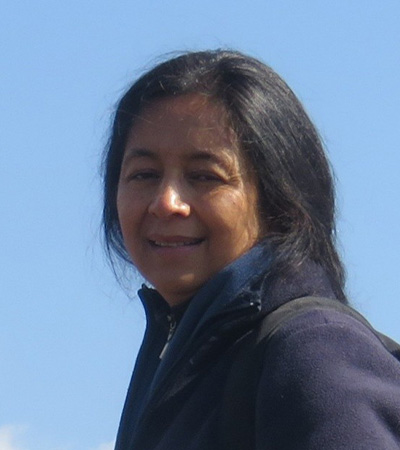
Sunita Pradhan is a Senior Wildlife Ecologist at the Ashoka Trust for Research in Ecology and the Environment (ATREE), Eastern Himalaya Regional Office in Gangtok, Sikkim. She is a researcher and conservation practitioner with over two decades of experience in the Eastern Himalayas. Widely recognised for her pioneering work on the Red Panda, her research also encompasses other threatened species, highlighting diverse human–wildlife interactions. These include hornbills and their dietary overlap with humans, and various mammals—bats and small mammals among them—in shared spaces of agroecosystems. Some of her other projects include long-term assessments of tourism in red panda habitats and zoonotic disease risks, such as Scrub typhus linked to small mammals. Her work on pangolins significantly highlights their coexistence challenges in the Kanchenjunga landscape. Combining field research, community engagement, and conservation storytelling, she works closely with local communities, government bodies, and conservation partners to promote coexistence and strengthen grassroots stewardship. Capacity building and student mentorship are her enduring commitments.
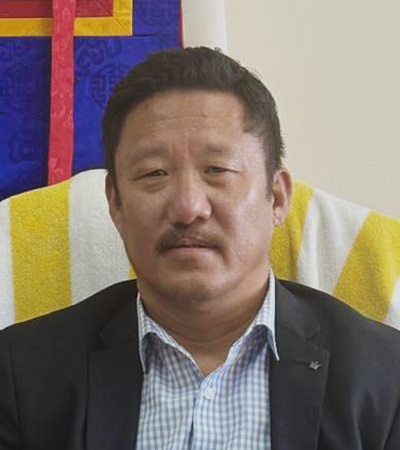
Tashi Chopel Lepcha is a bureaucrat in the Government of Sikkim, with extensive administrative experience across the state. Over his career, he has served in key roles including Block Development Officer, Sub Divisional Magistrate (SDM), Additional District Collector (Development), and District Collector (DC) in all districts of Sikkim.
He is currently the Secretary, School Education, Government of Sikkim. Tashi has significant experience in disaster management, having served as SDM Chungthang during the 2011 earthquake and as DC Pakyong during the 2023 flash floods. His wide-ranging experience reflects a deep understanding of governance, development, and crisis response in Sikkim.

Teiborlang T. Kharsyntiew is a faculty member of European Studies in the School of International Studies, Jawaharlal Nehru University. Before joining JNU, he taught in the Department of International Relations at Sikkim University, Gangtok. In 2017, he was awarded a month-long Research Stay fellowship at the Otto-Suhr-Institute of Political Science at Freie Universität Berlin as part of the University Grants Commission, India and the DAAD, Germany’s project on Indo-German Partnership in Higher Education. In 2022, he was awarded the EU Visitor Programme (EUVP) by the European Commission and European Parliament. Besides teaching and research on European Studies, his research interest includes issues related to India’s north-eastern region. He holds a M.A. in Politics from JNU, and an M.Phil. and Ph.D from the Centre for European Studies, JNU.

Timsong Lepcha, from Passingdang in Upper Dzongu, North Sikkim, has completed a bachelor’s degree in Sociology from Nar Bahadur Bhandari Degree College and a postgraduate degree fromw Sikkim University, Gangtok, East Sikkim. Passionate about research, fieldwork, and engaging with people from diverse castes and cultures, Timsong is in the early stages of a research career and has already gained valuable experience by working under professors on various projects.
In 2023, Timsong served as a Field Assistant for Dr. Govind Kelkar on the project ‘Witch Hunts and Ritual Attacks: Culture and Capital Across Northeast.’ Timsong worked as a Field Investigator for Dr. Nancy Choden Lhasungpa on two projects: ‘Drug Abuse, Addiction and Rehabilitation in Sikkim’ and ‘Unveiling Drug Abuse and the Role of Service Providers in Sikkim.’ Timsong worked as a field researcher on Reading Himalaya’s ‘Gender-based Violence and Inequality in Sikkim’ project in 2024. Currently, Timsong is working as a Research Assistant under Dr. Mona Chettri on a project examining climate change and vernacular architecture in Sikkim. Outside of research, Timsong enjoys painting, singing, reading novels, and sleeping.