
DEWA is an independent Hip-hop artist,storyteller and a social activist whose work explores the intersections of street culture, identity and realities of our people. Creating music in Nepali, Hindi, and English, he draws from lived experiences to tell stories that confront the complexities of life, belonging, and the human condition.
Beyond music, DEWA is also a theatre actor with Bachelors in Performing Arts and active Integrative Psychology practitioner who is deeply interested in the cultural heritage, histories, and identities of the Himalayan region, and in the stories that shape its people.
Through his art and voice, he seeks to challenge perceptions, explore the realities that often remain unspoken, and build a deeper understanding of what it means to be human.
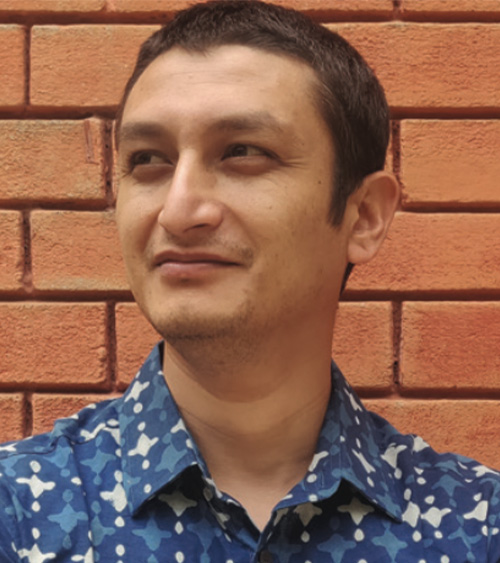
Amish Raj Mulmi is the author of All Roads Lead North: Nepal's Turn to China, selected by the Guardian as 'Books that Explain the World' in 2021. He has written for think-tanks such as the Carnegie Endowment for International Peace and the Centre for Social and Economic Progress, and for publications including the New York Review of Books, History Today, Al Jazeera, Mint Lounge, Himal Southasian and The Kathmandu Post. He is a contributing editor at Himal Southasian and a visiting fellow at Centre for Social Innovation and Foreign Policy, Kathmandu. He is consulting editor at Writer's Side Literary Agency. He is currently working on historical mobility in the Himalaya.
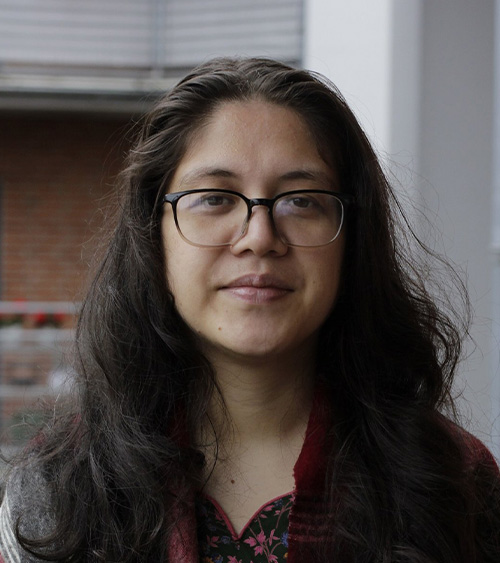
Anisa Bhutia is an Assistant Professor at Indian Institute of Management, Kozhikode (IIM-K). She was previously a Post-Doctoral Fellow at Aarhus University (Anthropology) and has received her PhD from Tata Institute of Social Sciences (Mumbai). She is an anthropologist from Kalimpong, and her research elaborates on trade networks, markets, infrastructure (roads, railways etc.), colonialism, frontiers and the history of people and places. She is the recipient of prestigious fellowships such as Deutscher Akademischer Austauschdienst (DAAD), Inlaks, Fulbright, and Rajeev Gandhi National Fellowships for her Master's and Doctoral studies.

Avinam Manger is a scholar-artist and educator deeply engaged in cultural inquiry, creative exploration, and social advocacy. He holds a master’s in English from Sikkim University and was a Young India Fellow ’24 at Ashoka University. Currently, he is a recipient of The Himalayan Fellowship under FICA 2026, where he is looking at Queer Spaces in Gangtok. His research focuses on Indigenous folklore, gendered narratives, and identity, notably through studies on folk tales and critiques of myth and popular culture.
His artistic collaborations include the projects Constructing Homelands at Khoj 2022, Queer Muslim Project’s The Queer Writers Room 2023, and Maraa’s Mirrors Fellowship 2024, culminating in the “Jhakri” exhibition. Committed to social justice, Avinam leads workshops and community dialogues, advocating for LGBTQIA+ inclusion and gender sensitisation. Driven by curiosity and empathy, he blends scholarship, activism, and storytelling into his practice, bridging tradition and contemporary thought.
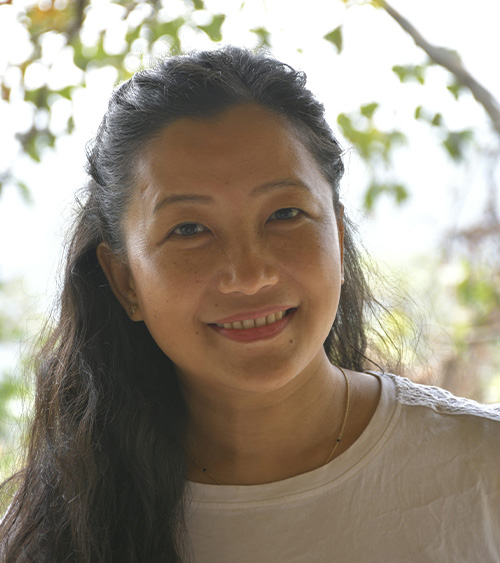
Barkha Subba is a Conservation Scientist at FOSEP, a non-profit organization in Darjeeling. Her work bridges science, communities, and policy advocacy in the Eastern Himalayan region. With over a decade of experience in biodiversity conservation, she focuses on restoring degraded ecosystems and safeguarding threatened amphibians, particularly the Himalayan salamander and the mountain wetlands. Born and raised in the Darjeeling hills, with her research focused on the Himalayan region, she cares deeply for its ecosystems, flora, fauna and local communities and is passionate about conserving the rapidly vanishing biodiversity and restoring the degraded landscapes of the region.
Barkha holds a Ph.D. in Conservation Science and Sustainability Studies from ATREE, Bangalore. Her academic and fieldwork background combines ecology, spatial modelling, and community-based conservation, allowing her to address complex challenges at the interface of people and nature.
She currently leads a project on Conservation of Himalayan Salamander, mountain wetlands in Darjeeling. She recently received a prestigious Whitley Award 2026, often known as the Green Oscar, for her ongoing project.

Chimila Bhutia is an entrepreneur from Sikkim and the Director of Sikkim Sanjeevani Private Limited, a company established in September 2025 to bring Cordyceps militaris cultivation into focus in the region.
Cordyceps militaris is a medicinal mushroom known for its vibrant orange fruiting bodies, and it sits at the heart of her work. Through Sikkim Sanjeevani, Chimila is building a company around its cultivation and potential applications. Over the past year, Chimila has focused on turning this knowledge into a growing enterprise rooted in Sikkim. Her efforts were recognised when she received the Young Entrepreneur honour at the Luminaire Honours in Siliguri, an important milestone in her entrepreneurial journey.
With a clear focus on cultivation and a commitment to building something new from Sikkim, Chimila Bhutia continues to develop Sikkim Sanjeevani as a company dedicated to Cordyceps militaris and its possibilities.
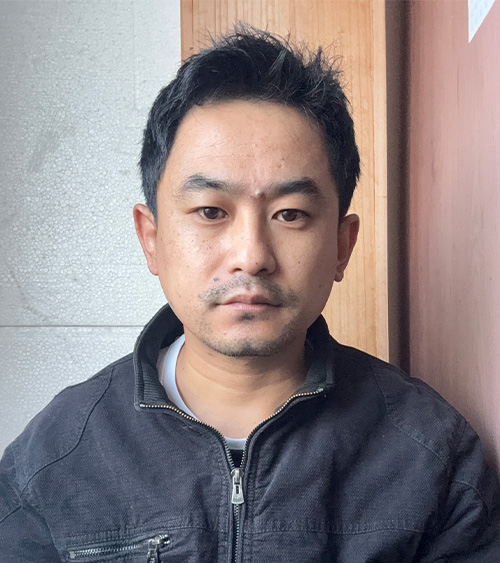
Lasang Lepcha is a PhD Scholar (2021–ongoing) at the Centre for Studies in Social Sciences, Calcutta (CSSSC). His current research focuses on ‘Entrepreneurialism’ in the Darjeeling Hills: Livelihoods, Community and Identity. His thesis examines how changing forms of livelihood, aspiration, community, and identity shape young people’s engagement with entrepreneurship. His research interests include entrepreneurialism, economic-sociology, development, youth, livelihoods, and neoliberalism. His latest peer-reviewed article“Varied Aspirations and ‘Development’: Three Spaces of Kurseong,” was published in the prestigious Journal of South Asian Development.

Lhawang Bhutia is a Darjeeling-based founder building economic opportunities for Himalayan youth through technology, tourism, and cultural preservation. He leads AskHimalaya under Kurukulle Software Solutions LLP, incubated at AIC-SMUTBI through the GENESIS EIR 2.0 Program with government seed-grant support. Rather than leaving to build elsewhere, he chose to build for home first, believing the Himalayas deserve the same talent and ambition that usually migrates away. He also runs Tara Circle, a hostel and creative hub where travelers, artists, and makers meet, collaborate, and spark new ideas. Alongside events, mobility, and community initiatives, Lhawang approaches enterprise as a movement, so the next generation can build their futures at home.
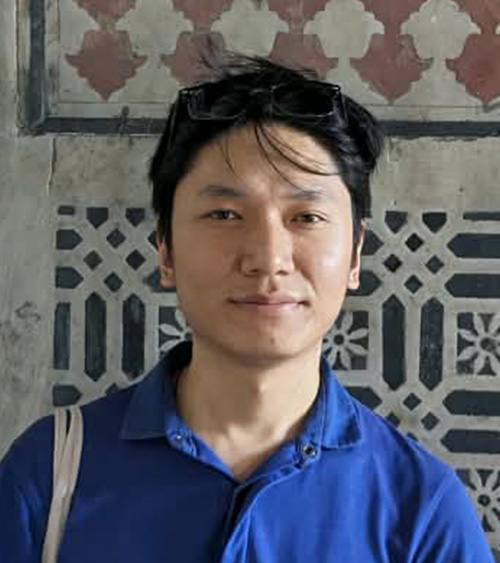
Lobsang Norbu Bhutia is a Doctoral candidate and Senior Research Fellow in Sociology at Jawaharlal Nehru University, New Delhi. His research focuses on Urban Studies, Sociology of Emotions, and Race and Sexuality Studies, particularly in relation to Northeast Indian migrants in Delhi. He is currently based between Sikkim and New Delhi. His work reflects an interdisciplinary approach, drawing from lived experiences and critical theory alike. He has presented his research at conferences and academic forums across India and internationally, and his work has been published by Brill and featured in Lekha: The Northeast Writing Collective, LSE Review of Books and The Wire.
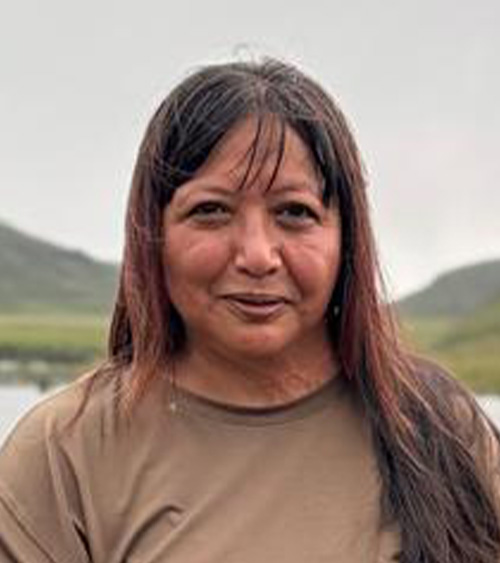
Mary Therese Kurkalang is a cultural curator and social researcher working across publishing, art, culture and the social sector for more than three decades. She is passionate about creating networks, platforms and spaces for wide inclusions and dialogue within the region and interactions outside of it. Since 2012, she has worked extensively across the Himalayan region in India.
In the last five years she co-curated an exhibition focussing on the Intangible Cultural Heritage of the Himalayan Region in a partnership with UNESCO & Royal Enfield Social Mission. She curated and produced literary festivals in Meghalaya, Assam and Sikkim, consulted with the Byron Writers Festival and Goethe-Institut. She is co-founder of the Rachna Books Writers Residency; and is the lead Consultant at The Himalayan Fellowship. She currently serves on the Board of a University, Non-Profits and several art juries. In 2026 she set up 'Flux8 Foundation' along with several co-conspirators.
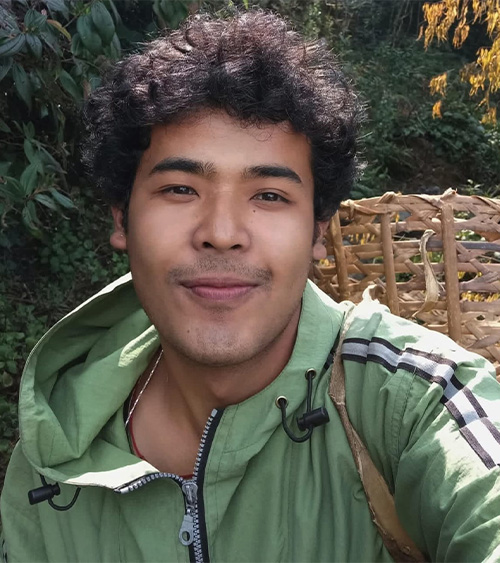
Pranesh Tamang is a learner and creative practitioner from Sikkim. His practice is rooted in sustainability, material reuse, and photography, and he's interested in learning through doing by observing, experimenting, and engaging with the places and communities around him. Pranesh and his friend Palden Lepcha co-founded the Chulom, through which they explore ideas around organic practices, agriculture, and sustainability. He has also been involved in community and environmental initiatives that have shaped the way he understands the relationship between people, land, and the Himalayas.
Pranesh doesn't see himself as someone who has figured out one particular field yet. He's still learning and finding his way through different forms of creative practice, while trying to remain connected to where he comes from. For him, the Himalayas are not only a landscape but also a living space of knowledge, culture, livelihoods, and changing realities.
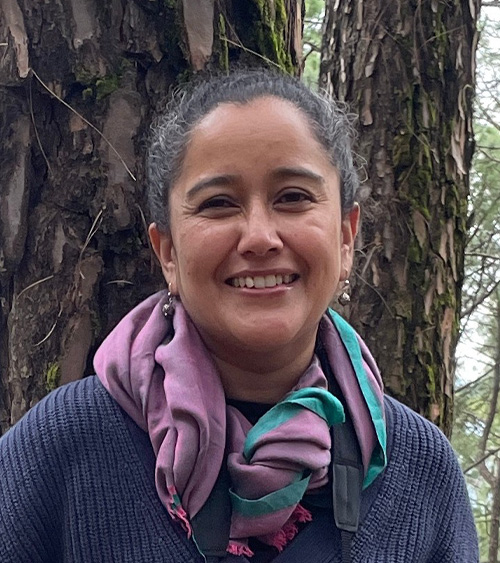
Mashqura Fareedi is from Darjeeling. She was introduced to the social sector through her work as a student volunteer in Darjeeling with DLR Prerna. Over the last 22 years, she has worked with organisations like Kalpavriksh Environmental Action Group and Association for Democratic Reforms in Delhi, Amnesty International and Azim Premji Foundation in Bangalore. She came back to Darjeeling 5 years back and set up the Eastern Himalayan Foundation that works to build skills and mindsets in young people to become changemakers for themselves, their communities and the planet.

Matrika Ghimiray is a sustainability professional and researcher working at the intersection of environmental sustainability and climate resilience. She is currently a Program Manager at the IIT Bombay Research Hub for Green Energy and Sustainability, where she leads training and education initiatives, anchors the IIT Bombay Living Lab Program, and works on international collaborations that engage young people in sustainability challenges.
With a background in Climate Studies, Matrika’s research has examined the socio-economic and environmental implications of large-scale energy development in the Eastern Himalayas, with a particular focus on hydropower in Sikkim. Her research has explored the intersections of energy infrastructure, local livelihoods, environmental change, and governance, informing her broader interest in how environmental concerns are represented in development debates and public decision-making. She has also contributed to climate policy initiatives, including the Rajasthan State Action Plan on Climate Change, and worked in climate education and advocacy.
Born and raised in Sikkim, Matrika is interested in climate and environmental issues in the Himalayan region, sustainable development, and how research, education, and public engagement can contribute to more informed conversations about the region’s future.
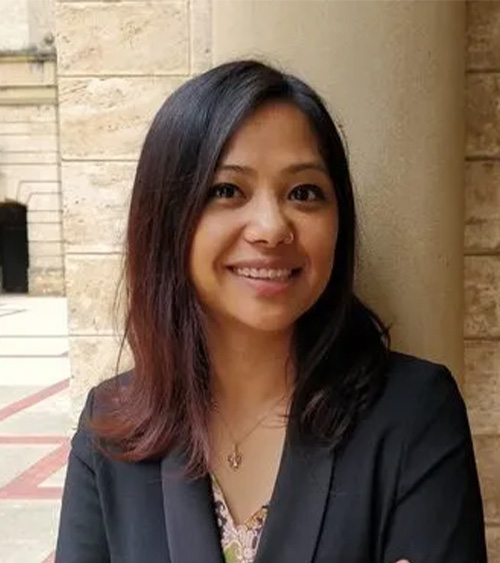
Mona Chettri is a researcher and co-founder of Reading Himalaya, a research and policy consultancy focusing on the eastern Himalaya. She is also a Senior Research Fellow (Adjunct) at the School of Arts and Social Sciences, Monash University. She received her PhD from the School of Oriental and African Studies (SOAS), University of London, and has worked as a post-doc in the Netherlands, Denmark, and Australia. She is the co-editor of Development Zones in Asian Borderlands (2021) and author of Constructing Democracy: Ethnicity and Democracy in the Eastern Himalaya (2017), both published by Amsterdam University Press.
She has published widely on borderlands, gender, environment, and development in various academic journals. Mona is also the Series Editor of the Eastern Himalayan Series (Rachna Books and Publication) and co-editor of Beneath Magnolia Skies: Women’s Writings from the Sikkim and Darjeeling Himalaya (Zubaan Books). Her current research focuses on gender, environment, and urbanisation in the Sikkim-Darjeeling Himalaya, India.

Nalini Lama is a social work professional, researcher, educator, and community practitioner from Kalimpong, West Bengal. She holds a Ph.D. in Social Work from Visva-Bharati University. Nalini has been associated with Kadambari Memorial College, Kathmandu, where she served as the Coordinator of the Centre for Research, Development and Innovation (CRDI) and currently serves as an Adjunct Faculty Member. Her research has been presented at international academic platforms, including the National University of Singapore (NUS) and the University of Peradeniya, Kandy. She has also been associated with Liverpool John Moores University, UK, through an international collaborative research project supported by its QR Research Fund (2020–21).
She is the Founder of Lagu Foundation, an organisation working in environmental conservation, sustainable waste management, and community participation. She is currently associated with the National Tobacco Control Programme (NTCP), Department of Health & Family Welfare, Kalimpong, where she contributes to tobacco control, COTPA enforcement, ToFEI implementation, and community mobilisation.
Her recent research focuses on substance use in Kalimpong, undertaken in association with HANDS (Himalayan Anti-Aids and Anti-Narcotic Drugs Society) and the Kalimpong District Police.
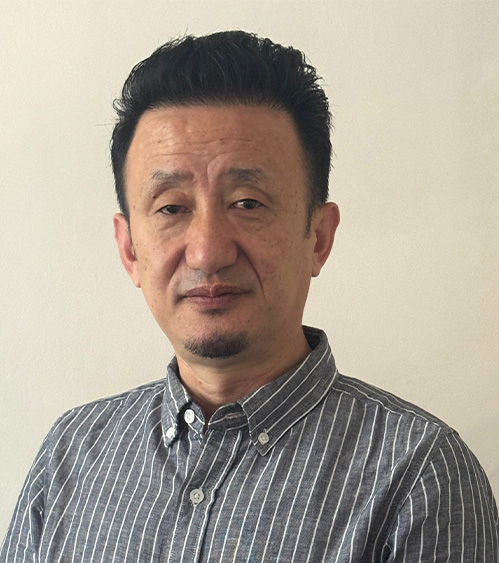
Navin Rai is a senior government official, architect, urban planner, and urban sustainability development specialist with more than two decades of experience in public policy, urban governance, and infrastructure delivery in Sikkim, India. He serves as Chief Town Planner, Urban Development Department, Govt. of Sikkim, and Nodal Officer, Namchi Smart City Limited (NSCL) and is also a member of its Board of Directors (NSCL). He has led Sikkim’s Smart Cities Challenge entries for Namchi and Gangtok under the federal government’s 100 Smart Cities Mission. His interests and expertise include public policy, spatial planning, data-driven governance, green energy transition of urban infrastructures, environmental conservation, Tactical Urbanism, Information and Communication Technology in Urban Governance, sustainable and active mobility, water governance, and Urban finance.
Navin is an alumnus of the University of Oxford, the London School of Economics-UK, SPA-New Delhi, and NIT-P. Recipient of the Bloomberg Scholarship for Public Service at LSE, UK, he has completed international programmes with UNEP, UNESCO-BMU, UN-Habitat (TUMI), Singapore’s Cooperation Programme with the Centre for Liveable Cities, and JICA, Singapore.

Prashant Sharma is a public health and human rights advocate working at the intersection of drug policy reform, harm reduction, and community-led responses to HIV, TB, viral hepatitis, and related health concerns. His work centres on people who use drugs, particularly those affected by punitive drug policies, and focuses on expanding access to harm reduction services, treatment, and health care; building community capacity; advancing human rights and evidence-based drug policy; and challenging stigma and criminalisation.
Prashant is committed to strengthening the meaningful involvement of communities in health and policy decision-making. He is actively engaged in advocacy at the state, national, and international levels, working with government institutions, civil society organisations, international NGOs, and community networks to promote the health, rights, and dignity of people who use drugs.
He is a co-founder of the Sikkim Drug Users’ Forum (SDUF) and a former Board member of the Indian Drug Users’ Forum (IDUF).
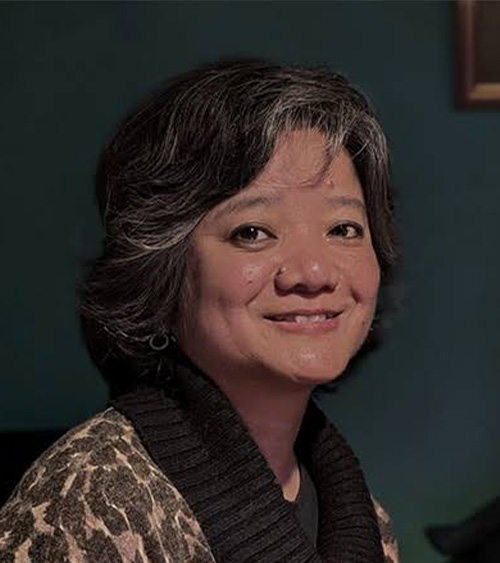
Priyadarshinee Shrestha has worked with WWF – India’s Khangchendzonga Landscape Programme (2007 to 2023), leading the organization’s conservation work in the Sikkim - Darjeeling landscape focusing on community based conservation for red panda and snow leopard conservation, mountain livelihoods, climate action, responsible tourism practices, and environment education.
She was engaged with Sikkim INSPIRES programme as part of the technical support team to the Rural Development Department leading the work of drafting economic inclusion plans for women and youth for all districts of the state.
She also volunteers her time for Integrated Mountain Initiative and Zero Waste Himalaya, both pan Himalayan platforms working to foreground mountain challenges and issues.
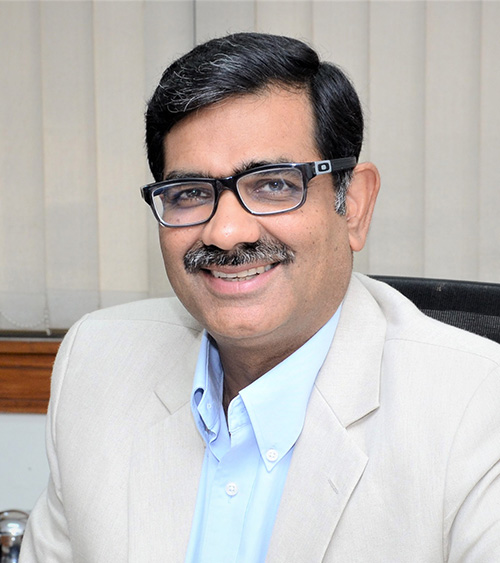
Rajat Kathuria is the Pro Vice-Chancellor and Dean of the School of Humanities and Social Sciences and Professor of Economics at Shiv Nadar Institution of Eminence. He is the former Director and Chief Executive of the Indian Council for Research on International Economic Relations (ICRIER). He worked with the Telecom Regulatory Authority of India during its Initial years. He was the Co-chair of the T20 Digital Task Force under India’s G20 Presidency.
Rajat has over 20 years of experience in teaching and 25 years of experience in economic policy, besides research interests on a range of issues relating to regulation and competition policy. He has worked with the World Bank, Washington DC as a Consultant and carried out research assignments for a number of international organizations, including ILO, UNCTAD, LirneAsia, World Bank, and ADB. He is a founder member of the Broadband Society for Universal Access and has served on the Boards of the Delhi Management Association and the Micro Finance Institutional Network of India. He is on several government and industry committees and has been on the research advisor council of SBI. He has an undergraduate degree in Economics from St. Stephens College, a Masters from Delhi School of Economics, and a Ph.D. degree from the University of Maryland, College Park.
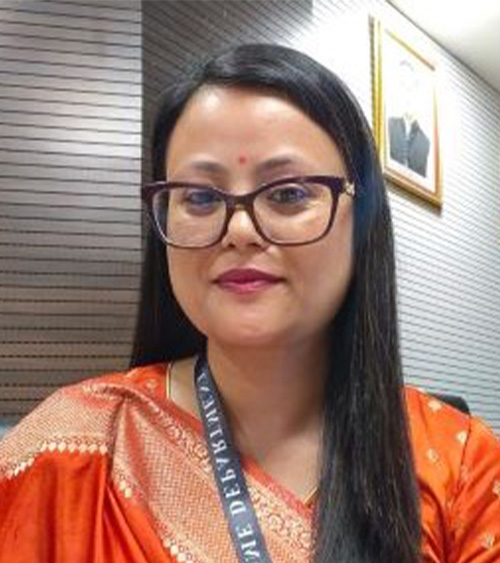
Rohini Pradhan is a senior government official in the Planning and Development Department, Government of Sikkim. She has held numerous senior roles in different government departments, including Home Department, Food and Civil Supplies, and Social Justice, Empowerment and Welfare Department. She is currently serving as Convenor, Inter-Departmental Working Group on Total Fertility Rate in Sikkim and Special Secretary cum Programme Director, Sikkim INSPIRES (Integrated Service Provision and Innovation for Reviving Economies), a World Bank- assisted initiative of the Government of Sikkim to expand economic inclusion and non-farm employment for women and youth. Rohini has extensive experience working at the intersections of governance, policy and community-engagement on diverse socio-economic issues related to youth livelihoods, food security, entrepreneurship, disability, substance abuse etc., in Sikkim.

Rosamine Beck is from Gorubathan. She is a Political Science graduate from Gorubathan Government College and is currently working part-time as a teacher in New Life English School, Gorubathan. Rosamine’s ambition is to become a teaching professional.
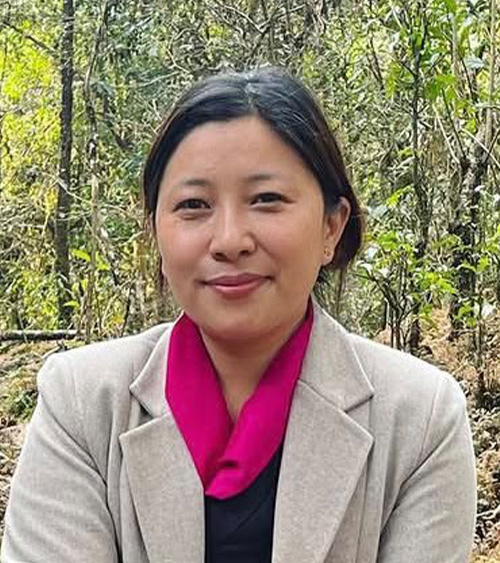
Sonam Kipu Bhutia is a baker by profession and runs ‘Patisserie’-café at Thingchim, North Sikkim. She has a B.Sc. in Hospitality and Diploma in Baking Science and Pastry Arts. Further, she also runs a traditional organic farm and homestay-Tumlong Glen. Along with freshly baked cakes, breads and cookies made with Sikkimese organic ingredients. The café is also equipped with a dedicated reading corner for book lover, creating a peaceful environment and encouragement for reading, conversation and connection within a rural Sikkim environment.
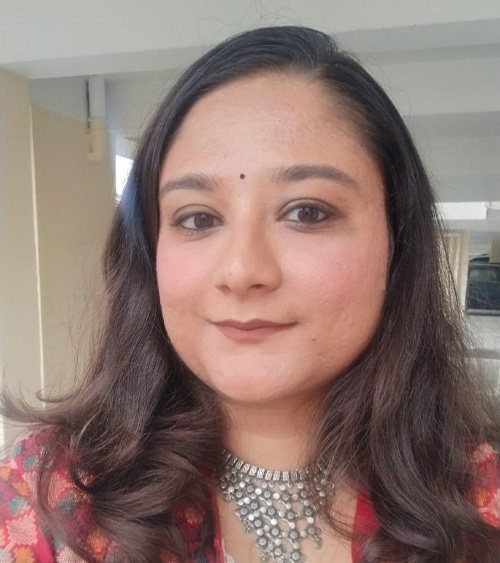
Srijana Sharma is a researcher at the Ashoka Trust for Research in Ecology and the Environment (ATREE), working on the Site-Specific Chatbot Development for the Sikkim and Darjeeling Himalayas. She holds a Master’s degree in Geography from the Delhi School of Economics, University of Delhi. Her work focuses on sustainable livelihoods, community engagement, conservation, and the role of traditional/indigenous knowledge and digital tools in addressing challenges in Himalayan communities. At ATREE, she is involved in developing GaonSahayog, a multilingual, AI-powered WhatsApp chatbot that connects communities with locally relevant information on resilient agriculture, human–wildlife coexistence, government schemes, and livelihood and market opportunities.
Alongside her research, Srijana is the co-founder of APSRI FOODS, an enterprise working with honey sourced from Sikkim and the Eastern Himalayan landscape, with an interest in sustainable value chains, local producers, and mountain-based livelihoods. Through writing and content development, she translates field-based knowledge into accessible narratives that create awareness around agriculture, livelihoods, and changing mountain economies, while her entrepreneurial work explores sustainable value creation from the Himalayas.

Swarnima Tamang is a dynamic social sector leader with over 13 years of experience spanning grassroots action and Corporate Social Responsibility (CSR). She uniquely combines a deep, ground-level commitment to human rights, gender equality, and community empowerment with strategic vision and macro-level grant management.
Swarnima holds a M.Sc. in Economics with a specialisation in Development Studies from Symbiosis International University, Pune, and a Management Development Programme on Young Women Social Entrepreneurship from IIM Kozhikode. Her extensive background includes impactful non-profit work in women’s entrepreneurship and gender equity with leading organizations, including Swayam Shikshan Prayog (SSP) and Equal Community Foundation (ECF).
Currently, as Deputy Head of CSR at The Great Eastern Shipping Co. Ltd., Swarnima contributes to shaping high-impact investment strategies and drives execution through strategic NGO partnerships across India. She has played a pivotal role in designing Great Eastern’s CSR framework, prioritising funding in under-resourced regions—most notably establishing a diverse portfolio of transformative projects across Northeast India.
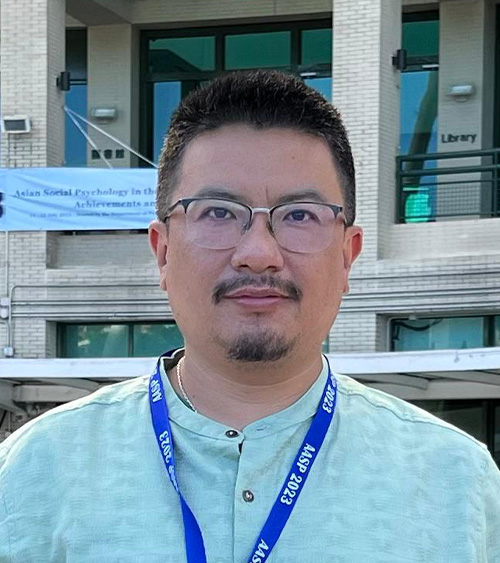
Ugyal Tshering Lama Yolmo is a researcher, educator, communication professional, and PSBT-commissioned filmmaker with a PhD in Mass Communication. He currently serves as Communication Associate at the Ashoka Trust for Research in Ecology and the Environment (ATREE), Regional Office, Gangtok, Sikkim, where he works on communication, outreach, community engagement, and environmental and conservation initiatives.
His academic and research interests lie at the intersection of media, psychology, communication, society, and the environment. His work explores media and digital technologies, human behaviour, emotional experiences, social dynamics, political communication, and the role of communication in environmental and social contexts. He has been involved in research, training, public engagement, and interdisciplinary initiatives across Sikkim and the wider Himalayan region.
As a filmmaker, he works primarily in documentary and visual storytelling, with interests spanning identity, culture, place, society, and human-environment relationships. As a PSBT-commissioned filmmaker, he has developed documentary work that brings research and lived experiences into accessible visual narratives. He has presented his research at national and international forums and has contributed to academic publications, communication projects, and creative productions, bringing together scholarly inquiry, professional communication, and filmmaking.
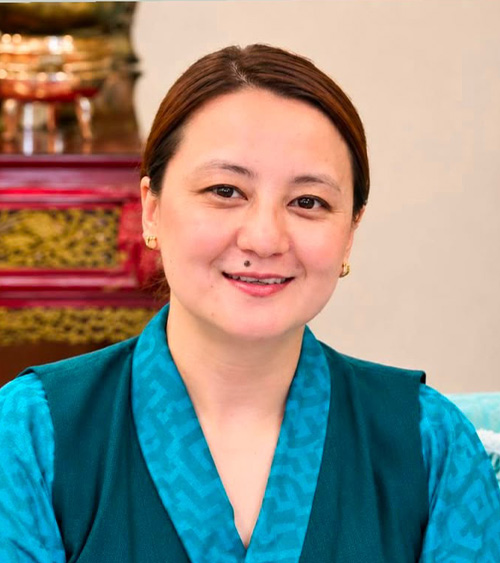
Dr. Sonam Diki Lepcha is a Veterinary Doctor currently serving as the Deputy Director in the AH&VS ;Government of Sikkim.
She has been actively organising veterinary medical camps in the remote and high-altitude regions of North Sikkim, ensuring access to essential animal healthcare services for highland communities and their livestock.
She is actively involved in several collaborative conservation and community development initiatives, including the Tibetan Sheep Conservation Project in Ladakh, the Yak Conservation Project in Bhutan, and the Vibrant Villages Programme in collaboration with the Indian Army.
Dr Sonam strongly advocates bridging the gap between modern development and traditional highland livelihoods. She believes that the future of the Himalayan region lies in a balanced approach that embraces progress while safeguarding its indigenous knowledge, biodiversity, cultural identity, and traditional way of life.
Her vision is to empower highland communities, preserve their rich cultural heritage, and ensure that the voices, livelihoods, and wisdom of remote Himalayan populations remain an integral part of the region’s development narrative.